Pep Guardiola’s 2025 Tactical Revolution – Why It Matters
: From Tiki-Taka Legacy to AI-Driven Innovation: The Evolution of a Football Visionary

Lorna
Lorna, a Sports editor from BRG365, graduated from UNIL. I has worked as a commentator in Sports Illustrated for five years, already coveraging on the UEFA Cup, Serie A and the Club World Cup.
FA CupPep GuardiolaPremier LeagueUEFA Champions League
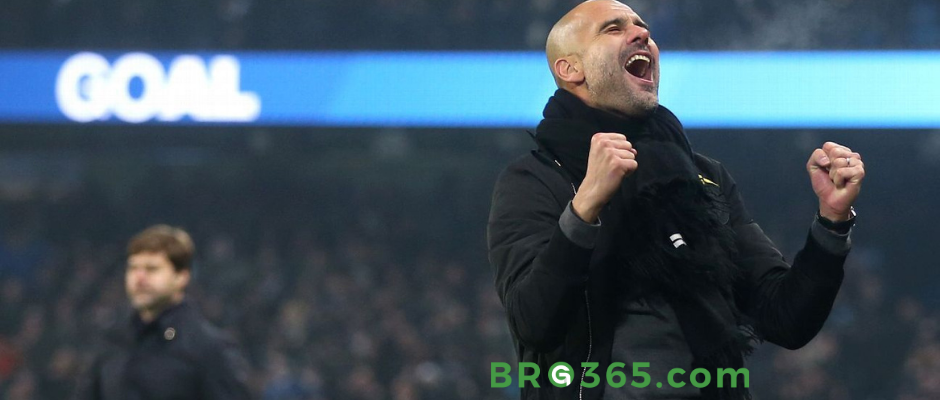
Pep Guardiola’s influence at Manchester City has transformed the Premier League landscape with tactical brilliance and a focus on player development.
We will dive into how Guardiola’s strategic innovations and unique player moments have redefined City’s game.
Follow BRG365 for more in-depth football tactics.
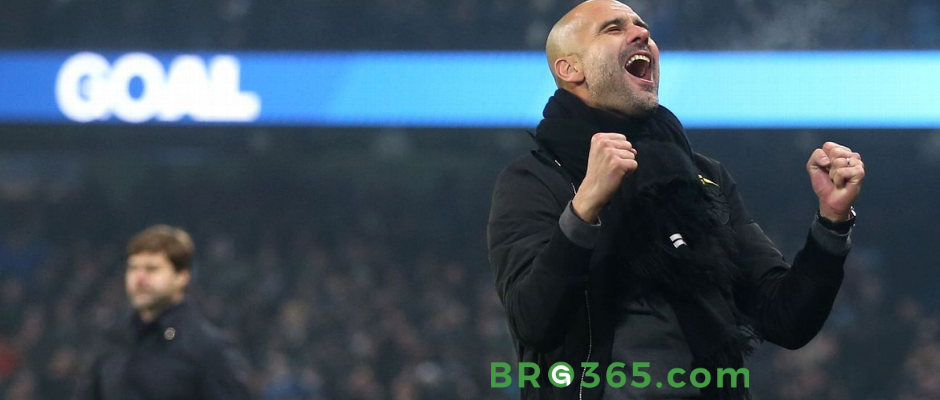
Tactical Maestro’s 2025 Flashpoints
Pep Guardiola’s influence on football remains unmatched, with his teams consistently pushing tactical boundaries.
His 2025 decisions have sparked both acclaim and debate:
FA Cup Final Controversy
His “no.8 experiment” in the 0-1 defeat to Crystal Palace (78% possession, 23 shots without a goal) reignited discussions about balancing attack and defense.
League Semi-Final Masterclass
Against Real Madrid, Guardiola deployed a dynamic 3-2-4-1 formation, using Rodri’s defensive solidity and Kevin De Bruyne’s creativity to dominate midfield.
Premier League Flexibility
In a 3-1 win over Liverpool, he abandoned traditional tiki-taka for direct transitions and set-piece precision, showcasing adaptability.
Tactical Adjustments and Player Roles
Kevin De Bruyne
-
Tactical Role: Operating as a deep-lying playmaker, De Bruyne orchestrates attacks with his exceptional vision and passing range.
Rodri
-
Tactical Role: As the single pivot in midfield, Rodri provides defensive stability and transitions play from defense to attack.
Phil Foden
-
Tactical Role: Foden's versatility allows him to operate in various attacking positions, contributing both goals and assists.
Erling Haaland
-
Tactical Role: As the central striker, Haaland's primary responsibility is to finish chances and apply pressure on opposing defenses.
João Cancelo
-
Tactical Role: Operating as an inverted full-back, Cancelo contributes to midfield overloads and provides width in attacks.
Read More: Man City Standings-How Chart the Bluemoon's Journey to Greatness?
Historical Evolution
Guardiola’s tactical journey reflects his philosophy of constant reinvention:
Barcelona (2008-2012)
Tiki-Taka Peak: With Xavi, Iniesta, and Messi, his teams averaged 68% possession, redefining positional play.
False Nine Tactic: Messi’s role as a false nine dismantled defenses, memorably in the 2009 Champions League final vs. Manchester United.
Bayern Munich (2013-2016)
Three-at-the-Back System: Philipp Lahm’s shift to defensive midfield and aggressive pressing transformed German football.
Manchester City (2016-Present)
Dynamic Midfield: Rodri’s single-pivot role and inverted fullbacks (e.g., João Cancelo) pioneered positional fluidity.
Data-Driven Approach: AI models now analyze opponent weaknesses, such as targeting Paris Saint-Germain’s right flank in the 2025 Champions League.
A Comparative Overview
|
Season |
Formation |
Key Tactical Features |
|---|---|---|
|
Barcelona |
4-3-3 |
Positional play, false nine, high possession |
|
Bayern |
3-4-3 |
High pressing, inverted full-backs, flexibility |
|
Manchester City |
3-2-2-3 |
Hybrid roles, inverted full-backs, cautious full-backs |
2025 Key Innovations
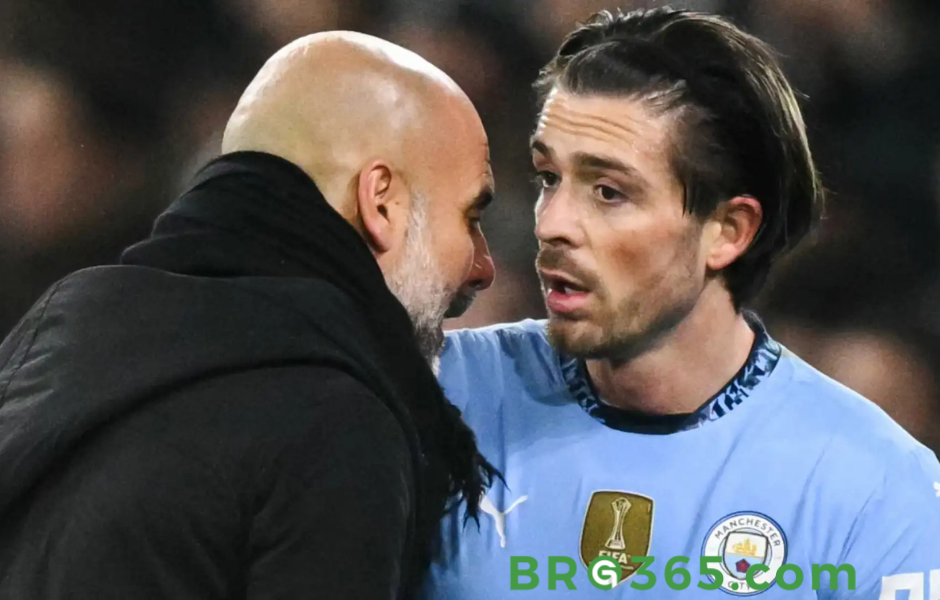
Reinventing Possession-Based Football
Final Third Efficiency: Average passes per match dropped by 12%, but touches in the attacking third increased by 18%.
Long-Ball Precision: Against Nottingham Forest, a 62% long-pass success rate created three clear chances.
Positional Rotations
Dynamic Roles: Bernardo Silva’s ability to drop into defense creates an “elastic midfield” to counter high pressing.
Inverted Fullbacks: Cancelo’s 34 progressive passes per 90 (Opta) highlight fullbacks’ roles in midfield orchestration.
High Pressing
Pressing Triggers: In the 2025 Champions League vs. Real Madrid, City won 14 turnovers in the final third, leading to five shots.
AI Injury Prevention: State-of-the-art monitoring reduced key player injuries by 18%, keeping the team competitive without Rodri.
Creating Attacking Spaces
Half-Space Exploitation: De Bruyne’s 2.1 big chances created per 90 in the Premier League led all midfielders.
Winger Inversions: Phil Foden’s 38% shot conversion rate from central positions became vital against low blocks.
Case Study- Tactical Setup vs. Real Madrid
-
Three Center-Backs: Rúben Dias, Manuel Akanji, and Josko Gvardiol nullified Vinícius Júnior’s pace.
-
Double Pivot: Rodri (3.2 interceptions per 90) anchored defense, while De Bruyne (82% long-pass accuracy) dictated attack.
-
Front Four: Erling Haaland as a target man, with Foden, Julián Álvarez, and Silva rotating to create chaos.
Statistical Dominance
-
Possession: 65% Ball Possession,28 shots (10 on target).
-
Defensive Resilience: 21 successful interceptions, neutralizing 12 Madrid counterattacks.
Pep Guardiola’s Manchester City has set a new tactical standard in the Premier League. Other clubs have tried to emulate the fluidity and pressing intensity Guardiola demands.
His teams average 68% possession per game and win around 25 high pressing duels per match, showcasing the effectiveness of his strategy.
Influence on Modern Football
Tactical Benchmark: Jurgen Klopp’s gegenpressing and Carlo Ancelotti’s midfield structures bear Guardiola’s imprint.
Player Development: Álvarez’s transformation from winger to false nine showcases the system’s ability to reinvent roles.
Criticisms and Challenges
-
Defensive Gaps: In the FA Cup final, midfield interception success fell to 61%, with Crystal Palace converting 67% of counterattacks.
-
Rotation Debates: €60m signing Nico González’s minimal use in key games (2 minutes in the final) raised questions about squad integration.
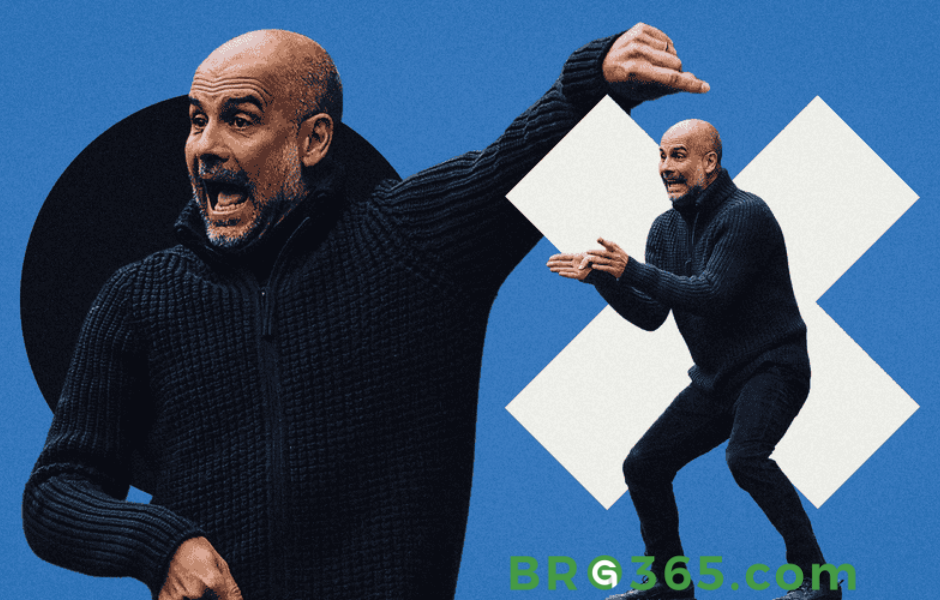
What’s Next for Guardiola?
-
Hybrid Formations: A potential “4-3-3+single pivot” system to balance possession and defensive solidity.
-
Youth Integration: Prospects like Shea O’Riley (1 goal, 2 clearances on debut vs. Everton) may become future tactical pillars.
-
AI-Driven Adjustments: Real-time tactical shifts via AI could debut in 2026, adapting to opponents’ formations mid-game.
Pep Guardiola’s 2025 tactics embody his unique blend of historical reverence and forward-thinking innovation.
From tiki-taka’s origins to AI-powered rotations, his legacy is defined by relentless evolution.
While the FA Cup defeat highlighted vulnerabilities, his Champions League semi-final masterclass proved he remains football’s ultimate innovator.
As City prepares for a 2026 rebuild, Guardiola’s next tactical chapter will undoubtedly shape the sport’s future.
Also Read: Pep Guardiola’s strange tactics hindered Manchester City in the FA Cup final
Latest
Man Utd Pursuit of Bryan Mbeumo Intensifies as Transfer Talks Loom
Manchester United target Bryan Mbeumo this summer, battling Arsenal and Spurs for the 25-year-old’s signature; full details on interest, fee, and next steps.
Man Utd Secure Matheus Cunha: Why the Brazilian Star is Old Trafford Bound?
Manchester United have activated Matheus Cunha’s £62.5m release clause from Wolves, aiming to bolster Amorim’s attack with the Brazilian’s versatility and finishing prowess.